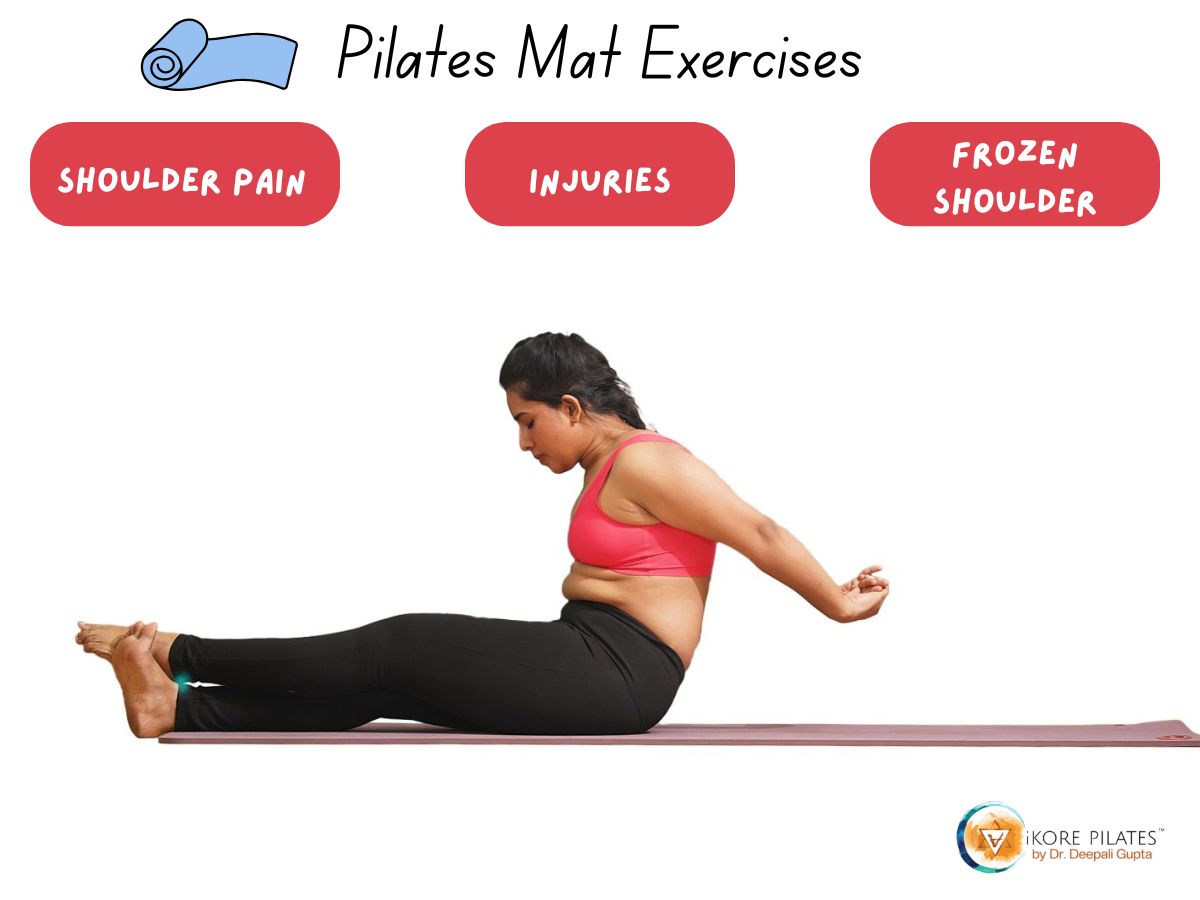
How Pilates Mat Exercises Can Benefit Shoulder Pain, Injuries, And Frozen Shoulder
Something that may be common for many people that influences their daily lives and exercising is a should pain. Whether one has developed these pains due to an injury, frozen shoulder, poor posture, or any other reason, it is important to get a proper treatment plan to get rid of it and stay fit in the long run. Among the strategies used in controlling these problems, Pilates mat exercises have proven to be very useful. In this respect, Pilates, because it is aimed at controlling movement, muscle strength, and flexibility, could help in reducing discomfort and enhancing the shoulders’ functionality.
In this blog, you will learn how mat exercises can help shoulder issues, injuries, and frozen shoulders.
Understanding Shoulder Pain and Injuries Before Pilates Mat Exercises
Before discussing how Pilates can relieve pain, it is pertinent to realize what causes shoulder pain. The shoulder joint is a ball and socket joint that permits a large arc of movement and can be susceptible to injury. Common issues include:
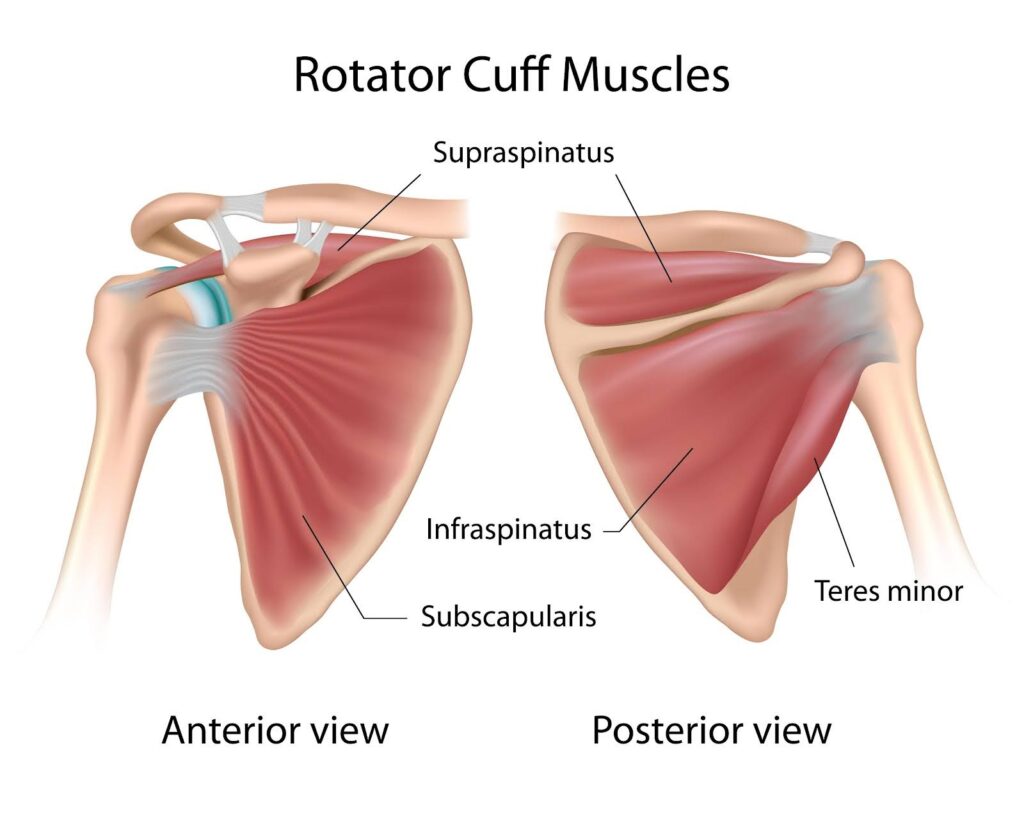
Rotator cuff injuries: These affect the muscles and tendons that support the shoulder muscle, making it painful and causing limited mobility.
Frozen shoulder: Popularly called frozen shoulder, it is a disorder that affects the shoulder joint with stiffness and pain.
Shoulder impingement: This is a case where the shoulder tendons get pinched when the individual moves the arm.
More often than not, they are caused by factors such as confinement, poor positioning, or muscle pull. Pilates mat exercises focus on these issues for people seeking a rehabilitation program.
Why Pilates Works: The Scapular Connection
When asking, “Is Pilates good for shoulder pain?”, we have to look at the shoulder blade (scapula). The shoulder is the most mobile joint in the body, but that mobility often comes at the cost of stability.
Many cases of chronic shoulder pain stem from “scapular winging” or a lack of control around the shoulder blade. Pilates for shoulder pain is unique because it focuses on Scapulohumeral Rhythm—the coordinated movement of the shoulder blade and the arm bone.
By strengthening the muscles around the scapula (like the serratus anterior and lower traps), Pilates creates a stable base for your arm to move. This relieves tension on the rotator cuff and prevents the “hiking” of shoulders toward the ears, a common issue discussed in our guide onNeck Pain in Pilates.
How Pilates Mat Exercises Benefit Shoulder Pain
Pilates’ principle is to develop core body muscles such as the abdominal and the back muscles, enhancing flexibility and straightening the spine. For those suffering from shoulder pain or injuries, these aspects of Pilates are incredibly beneficial:-
Improved Posture and Alignment:
Rounded shoulders are one of the common causes of shoulder pains and injuries due to bad posture. Pilates mat exercises, which include the shoulder bridge and the spine stretch desire to open the chest, strengthen the abdomen, and lengthen the spine. Correcting posture in overhead pressed exercises relieves pressure on the shoulder joint that is not necessary, which helps in avoiding pain and future injuries.
Strengthening Stabilizing Muscles:
The stability of the shoulder is very crucial for joint function. Pilates mat exercises also focus on the rotator cuff and muscles that complement the action of stabilizing rotator cuff muscles. Hence, it protects the shoulder during joint functions. For instance, planks by their variations and arm reaches assist in strengthening the shoulder girdle, improving motions, and minimizing risky incidents.
Enhanced Flexibility and Mobility:
Restricted mobility is experienced by most people who are either suffering from shoulder pain or shoulder problems. Some of the Pilates mat exercises include exercising that stretches and lengthens the muscles of the shoulder. Thus, they make it flexible. The thread-the-needle is great for promoting mobility of the shoulders while reducing pain, and the side stretches do the same.
Gentle Rehabilitation for Injuries:
In rehabilitation of a shoulder injury or a frozen shoulder, the patient has satisfactory and controlled sliding movement. A mat exercise has been proven to be a safe rehabilitation method that doesn’t bring about additional pressure. Swinging or gliding movements such as shoulder rotations and gentle arm circles help to improve blood supply and assist in regaining function and minimizing the stiffening of muscles.
Promoting Mind-Body Connection:
Pilates is one of the practices that emphasizes deliberate and active motions. Mat exercises involve you exercising as you take different breaths, based on the principles of breathing. It also makes you realize when to pull or force in the shoulder area; one can change his or her posture or movements to optimize the process. This way, the mind develops interaction with the body and avoids future problems and surgeries in the shoulder area.
Top 5 Pilates Mat Exercises for Shoulder Pain Relief
Here are five essential mat exercises that can specifically help with shoulder pain, injuries, and frozen shoulder:
Arm Circles: An effective way of gradually and safely trying to gain more mobility and flexibility at the shoulder joint.
Thread-the-Needle: This exercise is very effective in stretching and creating space on the shoulders and flexibility of the spine.
Chest Opener Stretch: It is the most superior movement that can be done to address tightness on the chest and shoulders due to poor posture.
Plank Variations: Assists in building the strength of the shoulder stabilizers along with the muscles of the abdomen and the lower back.
Side-Lying Arm Reaches: The muscles around the shoulder, especially the rotator cuff muscles, are targeted with the added advantage of stability and fewer injuries.
Understanding Pilates for Frozen Shoulder
Frozen shoulder (adhesive capsulitis) is different from a standard injury. It involves the tightening and thickening of the shoulder capsule, severely restricting movement. So, is Pilates good for frozen shoulders?
Yes, but the approach must be gentle. Unlike aggressive stretching which can cause inflammation, Pilates for frozen shoulders focuses on “controlled mobilization.”
The Freezing Stage: We focus on pain-free range of motion and breathing to calm the nervous system.
The Frozen Stage: We maintain strength in the surrounding muscles (back and chest) without aggravating the joint.
The Thawing Stage: We aggressively re-introduce movement to regain flexibility.
For a broader look at how low-impact movement aids rehabilitation, read our article onPilates for Injury Recovery.
Why Choose iKore Pilates for Shoulder Pain Relief?
At iKore Pilates, we focus on the Pilates mat exercises to tackle issues with shoulder pains, injuries, and frozen shoulders. Our Pilates instructor, Dr. Deepali Gupta, is certified, and she will develop an individual program that will suit your needs to have the best and quickest recovery.
Whether you are experiencing chronic shoulder pain or healing from an injury, our mat exercises are safe yet effective in increasing muscle strength, range of movement, and general health. Our junior instructors guide you through forming an appropriate shoulder posture, and you regain control of your shoulders.
Get Started with iKore Pilates Today!
Do not let shoulder pain be a limit to the things that you do in your daily life. At iKore Pilates, we stand for your comfort, and the program’s goal is to provide you with a permanent cure through the mat exercises.
Do not hesitate to call us today to set an appointment with our certified instructor and eliminate shoulder pain!
Don’t let shoulder pain limit your life. Let ushelp you move freely again.
Frequently Asked Questions
Q. Can Pilates help frozen shoulders?
Yes. Can Pilates help frozen shoulders recover faster? While the condition has a natural timeline, Pilates helps prevent muscle atrophy (wasting) during the “frozen” phase and speeds up the range-of-motion recovery during the “thawing” phase.
Q. Can Pilates fix shoulder pain?
If the pain is caused by muscle imbalance, poor posture, or lack of stability, Pilates can fix shoulder pain effectively. By correcting the alignment of the thoracic spine (upper back), it takes the pressure off the shoulder joint. If your pain comes from poor alignment, try ourPilates Posture Exercises.
Q. Which exercise is best for a frozen shoulder?
The best exercises are low-load, mobilizing movements. “Arm Circles” performed with a smaller range of motion and “Scapular Isolations” (Protraction/Retraction) are excellent. Using props like aPilates Ring can also provide support so the arm doesn’t feel “heavy” during movement.
Q. How does PT help the frozen shoulder?
How does PT help the frozen shoulder? Physical Therapy (and clinical Pilates) helps by manually stretching the joint capsule and prescribing exercises that encourage synovial fluid circulation, which lubricates the stiff joint.
Pregnancy brings countless questions about what activities are safe for you and your growing baby. Among the most common concerns is whether Pilates can be