
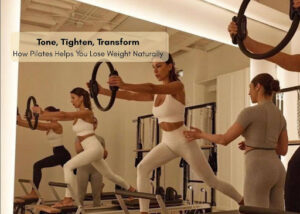
If you’ve been scrolling through fitness content lately, you’ve probably noticed something interesting: Pilates isn’t just for flexibility anymore. Between your morning chai and evening commute, you might wonder: can pilates help with weight loss? The answer is yes, but not quite the way you’d expect.
Unlike high-intensity workouts that leave you exhausted, Pilates takes a smarter approach. It’s not about burning maximum calories in 45 minutes. Instead, it’s about changing how your body works at rest, building lean muscle that keeps burning energy long after you’ve rolled up your mat.
If you’re juggling work deadlines with fitness goals, this matters. Your metabolism isn’t what it was at 20, and crash diets or extreme workouts often backfire. What you need is sustainable change, something that actually alters your body composition, rather than just temporarily shedding water weight.
At iKore Pilates, founded by Dr. Deepali Gupta, Asia’s Pilates Ambassador, we’ve watched countless individuals change not just their bodies but their entire relationship with movement. Let’s talk about how Pilates helps you lose weight naturally.
Understanding Pilates for Weight Loss: More Than Meets the Eye
When people ask, “Is pilates good for weight loss?” they’re often comparing it to running or spin classes. But here’s what matters: weight loss isn’t just about calories burned during a workout. It’s about what your body does with those calories for hours afterward.
Pilates builds lean muscle mass through controlled, precise movements. Your body weight on a mat or resistance from a Reformer machine creates tension that strengthens muscles without bulk. More muscle means your basal metabolic rate increases, and your body burns more calories at rest.
It also improves body awareness. When you’re more conscious of how your body moves and feels, you naturally make better choices about eating and stress management. Many of our members at our Aundh and Hinjewadi studios notice they stop reaching for comfort food after a few weeks of consistent practice.
Plus, Pilates manages stress differently than intense cardio. The deep breathing techniques and mindful movement help regulate cortisol, the stress hormone linked to belly fat storage.
Traditional Cardio vs. Pilates: What Works Better for Weight Loss?
| Aspect | Traditional Cardio | Pilates Workout for Weight Loss |
| Calorie Burn During Workout | Higher immediate burn (400-600 per hour) | Moderate burn (250-400 per hour) |
| Metabolism After Workout | Returns to baseline within hours | Increased metabolic rate lasts for days |
| Muscle Building | Limited, mostly endurance | Significant lean muscle development |
| Injury Risk | Higher, especially with improper form | Lower, controlled movements |
| Stress Impact | Can increase cortisol temporarily | Reduces cortisol consistently |
| Sustainability | May cause burnout | Easier to maintain long-term |
| Body Composition Change | Fat loss with some muscle loss | Fat loss with muscle gain |
| Joint Impact | High impact on knees, ankles | Low impact, joint-friendly |
The table reveals something important: Does pilates help lose weight? Yes, but through a completely different mechanism than traditional cardio. You’re not just burning calories, you’re rebuilding your body’s engine.
Why Reformer Pilates Accelerates Weight Loss
If you’re serious about pilates exercises for weight loss, the Reformer machine changes everything:
Added resistance multiplies results. Those springs create tension throughout each movement, forcing your muscles to work harder. A simple leg press activates your glutes, hamstrings, quads, and core simultaneously, four muscle groups burning energy at once.
Variable resistance prevents plateaus. Instructors adjust spring tension, add props, or modify angles. Your body can’t adapt to the same routine, keeping your metabolism challenged.
Full-body integration works. While mat Pilates focuses on core, Reformer pulls in your arms, shoulders, legs, and back into every exercise. More muscles working means more energy expenditure throughout the day.
Want to learn how Reformer training works in detail? Our comprehensive Reformer Pilates training guide breaks down these effective techniques.
The Science Behind Natural Weight Loss with Pilates
Let’s talk about what’s actually happening inside your body when you practice a pilates workout for weight loss. Your muscles aren’t just getting stronger, they’re becoming more metabolically active.
Muscle tissue requires more energy to maintain than fat. When you build lean muscle through Pilates, your body needs more calories just to keep that muscle alive. This basal metabolic rate increase is the secret to losing weight without constantly restricting food.
The breathing techniques matter too. Proper oxygen flow improves how efficiently your body burns fat. During moderate intensity movement, your body preferentially burns fat for fuel rather than carbohydrates, the sweet spot for sustainable fat loss.
Better posture from stronger core muscles means you’re engaging more muscles throughout your day, even sitting at your desk. Your body constantly works to maintain alignment, adding up to hundreds of extra calories burned weekly.
Getting Started: Your Pilates for Weight Loss Action Plan
Ready to actually use Pilates to shed kilos? Here’s what works, based on what we’ve seen at iKore Pilates with hundreds of members:
Start with 3-4 sessions per week. This gives your body enough stimulus to change without overwhelming your schedule. Consistency beats intensity here. Three 45-minute sessions maintained over months will outperform seven sessions per week that you can’t sustain.
Combine Mat and Reformer work. Mat Pilates builds your foundation and can be done at home. Reformer sessions at a studio push your limits and prevent plateaus. Alternating between them keeps your body guessing.
Pair Pilates with mindful eating. Notice how your hunger cues change as you build body awareness. You’ll probably find yourself naturally drawn to whole foods rather than processed snacks. This isn’t about strict dieting, it’s about listening to what your body actually needs.
Add walking or cycling on off days. While Pilates changes your body composition, adding some gentle cardio increases your overall calorie burn. A 30-minute walk after dinner or a morning cycle ride complements Pilates beautifully without adding stress to your system.
Track body measurements, not just weight. Your clothes fitting better matters more than the number on your scale. Muscle is denser than fat, so you might drop a full size without losing significant weight. Take measurements of your waist, hips, and thighs monthly to see real progress.
Pilates Exercises for Weight Loss You Can Start Today
Want to try pilates for weight loss at home? These fundamental moves target multiple muscle groups:
The Hundred gets your heart rate up while working your entire core. Rolling Like a Ball challenges balance and core control with continuous movement. Single Leg Stretch works obliques and hip flexors while keeping your heart rate elevated. Plank to Pike combines upper body strength, core stability, and hip mobility; your entire body works as one unit.
For detailed guidance and personalized programming, explore our comprehensive services, including private sessions tailored to your weight loss goals.
Making It Work in Your Life
Here’s the truth: Pilates for weight loss works best when you stop seeing it as just another workout. After a month of regular sessions, you’ll notice yourself sitting taller at your desk, taking stairs differently, reaching for water instead of sugary drinks, all because your body awareness has sharpened.
This is why Pilates succeeds where extreme diets fail. You’re not forcing yourself through something you hate. You’re building a practice that makes you feel better, which creates results, which motivates you further.
At iKore Pilates, we’ve designed programs for this sustainable approach. Whether you join us at our Pune locations or explore guided home practice, the focus remains on building something you can maintain for years.
If you’re ready to deepen your practice, our internationally recognized certification courses provide the foundation that naturally strengthens your own results.
Your Next Step
So, does pilates help lose weight? Absolutely, by changing how your body functions, not just burning calories during a workout. You’re building lean muscle, regulating stress hormones, sharpening body awareness, and creating sustainable habits.
The beauty of Pilates is that it meets you where you are. Whether you’re new to fitness or complementing your existing routine, there’s a starting point for you.
At iKore Pilates, we guide this transformation with expert instruction from certified trainers who understand the science behind weight loss. Our small class sizes (maximum 12 participants) mean personalized attention throughout your practice.
Ready to begin? Your body will thank you for taking this step toward sustainable, natural weight loss through mindful movement. Contact us now.
Frequently Asked Questions
Q. How long does it take to see weight loss results from Pilates?
Ans. Most people notice body composition changes within 4-6 weeks of consistent practice (3-4 times per week). You’ll see improved posture and muscle tone first, followed by measurable fat loss. Remember, Pilates changes how your body looks even before the scale moves significantly.
Q. Can I do Pilates for weight loss at home without equipment?
Ans. Yes, mat Pilates provides excellent results at home using just your body weight. Focus on movements like The Hundred, Roll-Ups, and Leg Circles. However, adding Reformer sessions at a studio 1-2 times weekly accelerates results through increased resistance and expert guidance.
Q. Is Pilates better than gym workouts for losing weight?
Ans. They serve different purposes. Gym workouts may burn more calories, but Pilates builds lean muscle that increases your metabolism long-term. The ideal approach combines both, or alternates Pilates with walking or cycling for comprehensive fitness.
Q. Will Pilates make my muscles bulky?
Ans. No, Pilates creates long, lean muscles rather than bulk. The controlled movements and emphasis on lengthening prevent the muscle building that creates bulk. You’ll develop a toned, sculpted appearance rather than added size.
Q. How many calories does a Pilates workout burn?
Ans. A typical 45-60 minute Pilates session burns 250-400 calories, with Reformer classes at the higher end. However, the real benefit comes from increased metabolic rate for 24-48 hours after your session, meaning your body continues burning extra calories long after you finish.