
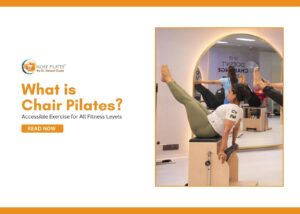
Getting started with fitness can feel overwhelming, especially if you’re dealing with mobility concerns, recovering from injury, or simply new to movement practices. Chair Pilates removes those barriers, offering a gentle yet powerful way to build strength, flexibility, and confidence without ever having to get down on the floor.
Understanding Chair Pilates
Chair Pilates is a modified approach to traditional Pilates that allows you to perform exercises while seated in a sturdy chair. Unlike the specialized Pilates chair (also called the Wunda Chair), which is a piece of studio equipment with springs and pedals, chair Pilates uses an ordinary household chair to make Pilates principles accessible to everyone.
At its core, chair Pilates maintains the fundamental principles that make Pilates so effective: controlled, mindful movement; breath awareness and coordination; core engagement and stability; proper alignment and posture; and progressive strengthening.
The beauty of chair Pilates lies in its simplicity. You don’t need expensive equipment, a gym membership, or special clothing. All you need is a sturdy chair without wheels and enough space to extend your arms and legs.
Who Benefits from Chair Pilates?
Chair Pilates opens doors for people who might otherwise struggle with traditional floor-based exercise. Research shows that chair-based exercises for just 2 weeks could help improve upper-body strength and lower-body function in people aged 50 and above.
Chair Pilates welcomes seniors looking to maintain independence and mobility, beginners who feel intimidated by traditional fitness classes, people recovering from injuries or managing chronic pain, office workers wanting to incorporate movement into their day, anyone with limited mobility or balance concerns, pregnant individuals seeking gentle, safe exercise, and people with joint conditions like arthritis.
Performing modified Pilates movements while seated means that even those who are frail or not very flexible can safely do the exercises and work towards increasing their strength and flexibility.
Key Benefits of Chair Pilates
Builds Functional Strength
Chair Pilates strengthens the muscles you use every day, making daily activities like climbing stairs, carrying groceries, or playing with grandchildren easier and safer. The exercises target your core, arms, legs, and back using your body weight as resistance. For those interested in exploring the comprehensive benefits, chair Pilates offers specific advantages for various fitness goals.
Improves Balance and Stability
Falls are a major concern as we age, but chair Pilates addresses balance from a safe, supported position. Studies indicate that Pilates works to rehabilitate conditions such as lower back pain, ankylosing spondylitis, multiple sclerosis, postmenopausal osteoporosis, nonstructural scoliosis, hypertension, and chronic neck pain.
Enhances Flexibility and Mobility
Gentle stretching and controlled movements help maintain and improve your range of motion. Better flexibility means less stiffness, reduced pain, and greater ease in everyday movements.
Supports Joint Health
The low-impact nature of chair Pilates makes it ideal for protecting your joints while still challenging your muscles. You get the benefits of exercise without the stress on knees, hips, and ankles that comes with high-impact activities.
Boosts Mental Wellbeing
The mindful, breath-focused nature of Pilates helps reduce stress and anxiety. Regular practice creates a moving meditation that calms your nervous system and improves your mood.
Chair Pilates vs. Mat Pilates vs. Equipment Pilates
Understanding the different types of Pilates helps you choose what’s right for your current needs and goals.
Mat Pilates is the foundation of the practice. You perform exercises on a mat using your body weight and gravity as resistance. Mat Pilates is excellent for building core strength and body awareness but requires the ability to get down on the floor and back up again.
Equipment Pilates uses specialized apparatus like the Reformer, Cadillac, or Wunda Chair (different from chair Pilates). The reformer uses springs, pulleys, and a sliding carriage to create variable resistance, offering a dynamic, full-body workout that challenges practitioners at all levels.
Chair Pilates offers the principles and benefits of Pilates in the most accessible format. While it may seem simpler, chair Pilates effectively builds strength, improves posture, and enhances mobility for people at all fitness levels.
Many people start with chair Pilates and progress to mat or equipment work as their strength and confidence grow. Others find chair Pilates meets all their fitness needs.
Getting Started with Chair Pilates
Starting a chair Pilates practice is straightforward, but a few guidelines ensure you get the most from your sessions.
Choose a sturdy, stable chair without wheels. The seat should be firm enough to support you without sinking. Avoid chairs with arms if possible, as they can limit your range of motion.
Wear comfortable clothing that allows you to move freely. Start slowly and listen to your body. Chair Pilates should challenge you gently, never cause pain. Focus on quality over quantity. Five minutes of mindful, controlled movement beats thirty minutes of rushed, sloppy exercises. Breathe naturally and rhythmically.
Sample Chair Pilates Exercises
- Seated Spine Twist: Sitting tall with feet flat on the floor, place your hands behind your head. Slowly rotate your upper body to the right, hold for a breath, then return to center. Repeat on the left. Strengthens obliques and improves spinal mobility.
- Seated Marching: Sitting upright, lift one knee towards your chest, then lower it with control. Alternate legs. Builds hip flexor strength and core stability.
- Arm Circles: Extend arms out to the sides at shoulder height. Make small circles forward, then reverse. Improves shoulder mobility and posture.
- Seated Cat-Cow: Place hands on thighs. Arch your back and look up (cow), then round your spine and tuck your chin (cat). Mobilizes the spine and relieves tension.
- Ankle Circles: Lift one foot slightly off the floor and slowly circle the ankle. Improves circulation and ankle mobility.
Professional Guidance Matters
While chair Pilates is gentle and safe, working with a certified instructor ensures you’re performing exercises correctly and progressing appropriately. A qualified teacher can modify movements for your specific needs, whether you’re managing an injury, building strength after surgery, or simply want personalized attention.
At iKore Pilates, certified instructors understand how to adapt Pilates principles for every body and every ability level. Whether you’re interested in private sessions, equipment classes, or comprehensive teacher training, professional guidance helps you build a sustainable, effective practice.
FAQ
Can I do chair Pilates every day?
Yes, you can practice chair Pilates daily. Because it’s low-impact and gentle on your joints, daily practice is safe for most people. Listen to your body and take rest days when needed.
How long should a chair Pilates session last?
Start with 10-15 minutes and gradually work up to 30-45 minutes as your strength and endurance improve. Even short sessions offer significant benefits when practiced consistently.
Will chair Pilates help me lose weight?
Chair Pilates can support weight management as part of an overall healthy lifestyle. On average, a 30-minute chair pilates session may burn between 100-250 calories. Combined with mindful eating, it contributes to sustainable weight management.
Do I need any special equipment?
All you need is a sturdy chair without wheels. As you advance, you might add light hand weights or resistance bands, but neither is necessary to get started.
Can chair Pilates help with back pain?
Many people find chair Pilates helpful for managing back pain. The gentle strengthening and stretching can improve posture and reduce tension. Always consult your healthcare provider before starting any exercise program if you have existing pain or injuries.