
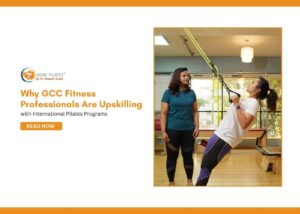
Fitness professionals across the Gulf Cooperation Council are making a strategic career move. As the wellness industry expands across Saudi Arabia, the UAE, and neighboring countries, instructors are choosing to invest in internationally recognized Pilates certifications rather than local alternatives.
What’s driving talented trainers to pursue comprehensive programs from institutions like iKore Pilates? The answer lies in market dynamics, professional credibility, and unprecedented career opportunities emerging across the region.
The GCC Wellness Boom Creates Demand for Qualified Instructors
The numbers tell a compelling story. According to Expert Market Research, Saudi Arabia’s health and fitness service market reached USD 1.56 billion in 2025 and is projected to hit USD 2.71 billion by 2030, advancing at an 11.71% compound annual growth rate.
Vision 2030 initiatives across the region aren’t just policy documents. Government-backed programs are actively reshaping how residents view health and movement. Premium fitness formats are thriving in particular.
Pilates stands at the center of consumer demand. The Middle East Pilates Reformer market held approximately 2% of the global revenue, with a market size growing at a compound annual growth rate of 5.7% from 2024 to 2031. The GCC countries specifically are experiencing even stronger growth at 6.5% CAGR, driven by increasing urbanization, rising disposable incomes, and growing awareness of fitness and wellness.
Reformer Pilates studios are springing up in Dubai, Riyadh, and across the region, with operators investing heavily in specialized equipment and dedicated spaces.
International Certification Offers Career Flexibility Unavailable Elsewhere
Career advancement in the GCC requires mobility. Fitness professionals frequently work across multiple emirates or move between countries as opportunities arise. International certifications provide the portable credibility that regional programs cannot match.
Consider what comprehensive certification unlocks:
- Global recognition – Work anywhere from Abu Dhabi to London to Singapore without re-certifying
- Higher earning potential – Instructors with professional certification command premium rates
- Premium studio access – Boutique clubs prioritize hiring instructors with recognized credentials
- Visa eligibility – Many countries value international fitness qualifications for work permits
- Specialization pathways – Build expertise in rehabilitation, prenatal, or sports performance applications
Locally issued certificates rarely provide the same geographic flexibility or professional standing when seeking positions at high-end facilities.
Premium Boutique Studios Demand Rigorous Training Standards
Walk into any upscale wellness club in Dubai Marina or Riyadh’s diplomatic quarter, and you’ll notice something immediately. The instructors don’t just know Pilates movements—they understand anatomy, biomechanics, modification protocols, and client-specific programming at a sophisticated level.
According to industry analysis, the global Pilates and yoga studios market reached $2 billion in 2025 and is projected to grow at a 7% CAGR to reach approximately $3.5 billion by 2033. Premium boutique studios in the GCC are capturing significant market share by maintaining exceptional quality standards.
Premium venues can afford to be selective because consumer expectations are extraordinary. Studios hiring for reformer instruction, private training, or specialized populations need proof of comprehensive education.
International programs deliver depth that weekend workshops cannot replicate. Comprehensive teacher training typically requires 450-500 hours covering classical and contemporary Pilates methods, equipment mastery, movement assessment, special populations, and business development.
Programs like iKore Pilates’ comprehensive teacher training combine in-person intensive instruction with flexible online components, allowing working professionals to upskill without career interruption.
Equipment-Based Instruction Requires Specialized Knowledge
The Pilates landscape in the Middle East differs dramatically from mat-only formats popular elsewhere. Reformer Pilates dominates the market, with the Middle East witnessing growing Pilates Reformer market expansion in countries like the UAE and Saudi Arabia.
Teaching on equipment demands specific competencies. Reformers, cadillacs, and chairs each have unique spring systems, adjustment protocols, and exercise repertoires. Instructors need hands-on training with experienced mentors to safely guide clients through equipment-based sessions.
Self-taught approaches or brief equipment introductions don’t meet industry standards. Studios verify instructor qualifications before granting equipment access, and insurance coverage often requires documented certification from recognized programs.
Movement-Based Rehabilitation Bridges Healthcare and Fitness
Perhaps the most compelling reason fitness professionals pursue international Pilates certification relates to career longevity and professional evolution. The industry is shifting toward therapeutic applications and rehabilitative programming.
Physiotherapists, personal trainers, and yoga instructors across the GCC recognize that movement-based rehabilitation represents the future of wellness services. Clients dealing with chronic pain, post-surgery recovery, or lifestyle-related conditions seek practitioners who understand both fitness and functional health.
Pilates uniquely bridges the gap. Founded on rehabilitation principles, the method inherently addresses core stability for lower back pain, postural correction for desk workers, joint mobility without high impact, breath work for stress management, and functional movement patterns for daily life.
International programs emphasize these therapeutic applications, preparing instructors to work with diverse populations beyond general fitness clients. Programs led by founders like Dr. Deepali Gupta, recognized as Asia’s Pilates Ambassador 2023 & 2024 and Balanced Body Master Educator, bring medical understanding and rehabilitation expertise to the training environment.
Building a Sustainable Fitness Career
The fitness industry rewards specialization. As the GCC wellness market matures, generic instruction gives way to expertise-driven programming. International Pilates certification positions professionals for long-term success in a competitive landscape.
Career opportunities in Pilates extend beyond studio instruction. Certified professionals work in rehabilitation clinics, luxury hotels, corporate wellness programs, and private practice settings. The versatility of comprehensive training creates multiple income streams and professional pathways.
Ready to advance your career with world-class Pilates education? Explore iKore Pilates’ comprehensive teacher training programs designed for fitness professionals committed to excellence and holistic movement mastery.
FAQ
How long does international Pilates certification take?
Comprehensive programs typically require 450-500 hours of education, combining in-person training, independent study, practice teaching, and examination. Many programs offer flexible scheduling over 6-12 months to accommodate working professionals.
Can fitness professionals with other certifications benefit from Pilates training?
Absolutely. Personal trainers, yoga instructors, physiotherapists, and coaches frequently add Pilates certification to expand their service offerings, increase income potential, and work with special populations requiring low-impact programming.
Are online Pilates certifications recognized in the GCC?
Hybrid programs combining online coursework with in-person practical training are widely accepted. Studios typically verify that programs include hands-on assessment components for equipment instruction.
What makes a Pilates certification “international”?
International recognition comes from accreditation by global standards organizations, alignment with established curriculum frameworks, and acceptance across multiple countries. Programs with extensive alumni networks and decades of operation typically hold stronger international standing.