Pilates
Level 3 Diploma in Teaching Pilates – Pilates Career in 2026
If you have a passion for fitness and movement and dream of turning it into a fulfilling career, the Level 3 Diploma in Teaching Pilates

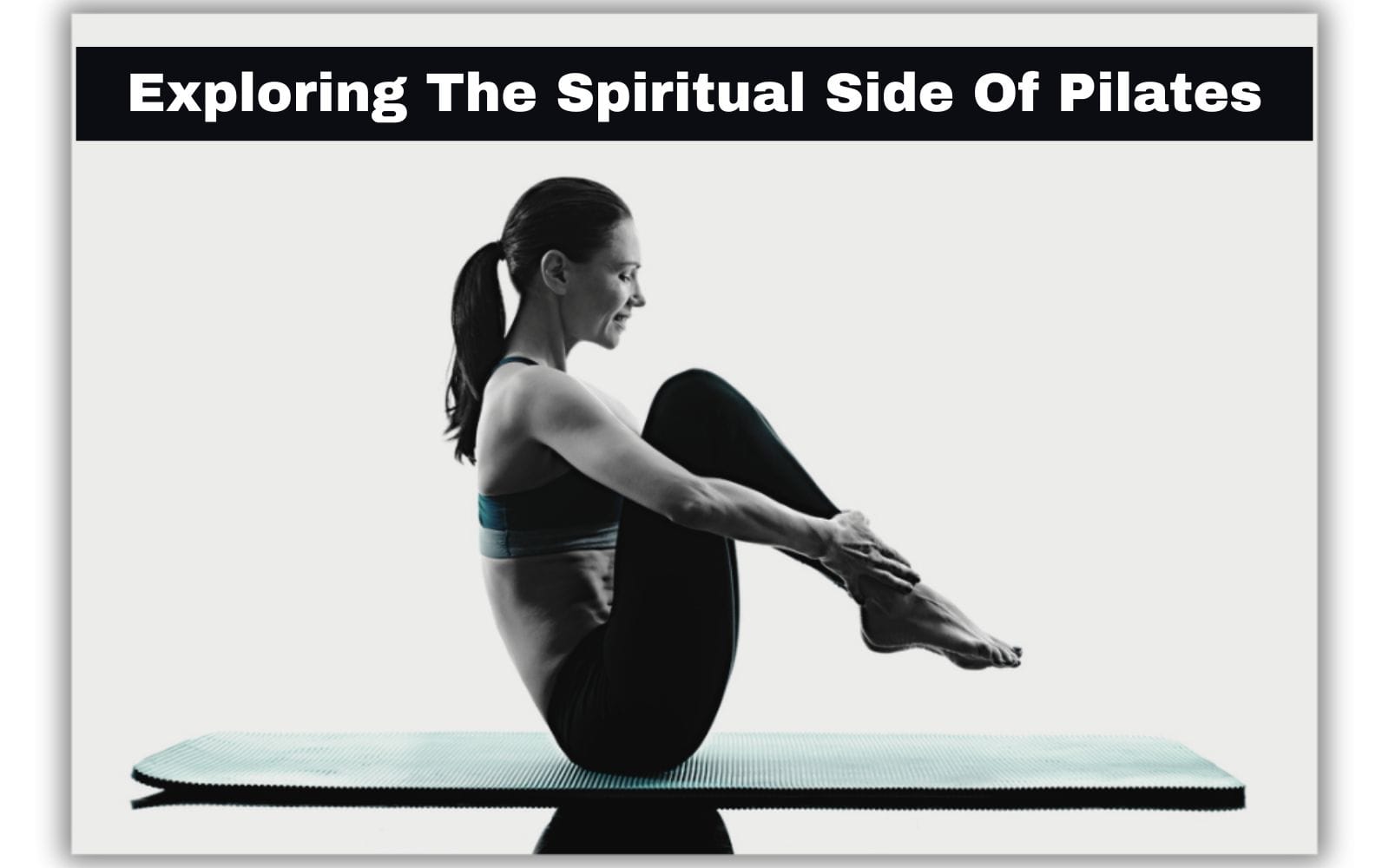
Have you ever felt that Pilates is more than just an exercise routine?In addition to enhancing strength, flexibility, and balance, Pilates provides a profound sense of spiritual fulfillment.Let’s explore how Pilates can enrich your life on a spiritual level, intertwining body, mind, and spirit in a harmonious practice.
Understanding the origin of Pilates is essential before exploring its spiritual dimension. Joseph Pilates was born in Germany in 1883 and suffered from several childhood ailments, including asthma and rickets, which drove him to study physical conditioning from both Eastern and Western traditions. He studied gymnastics, boxing, martial arts, yoga, and Zen practices, synthesizing them into his own method.
When World War I broke out, Joseph Pilates was interned as a “hostile alien” in England. It was during this internment that he refined his exercise theories and began working with fellow internees, eventually creating a spring-based resistance apparatus by attaching springs to hospital beds for bedridden patients. This setup is widely recognized as the direct ancestor of the modern Pilates reformer.
After the war, Joseph moved to New York City in 1926 alongside his wife, Clara, and together they opened the first Pilates studio. Because of its focus on posture, alignment, and injury recovery, the method quickly became popular among dancers. Joseph originally called his work “Contrology,” meaning the use of the mind to control muscles. The name was later changed to Pilates, and the practice has since grown to be used by over 12 million people worldwide.
The meaning of Pilates, in its truest sense, is complete coordination of body, mind, and spirit. Not a religious term, not a mystical concept, but a practical philosophy of balanced, intentional movement. When people ask about the Pilates-origin-religion connection, the answer is straightforward: Pilates has no religious roots. It was developed as a secular rehabilitation method, drawing from Greek ideals of physical harmony and a “sound mind in a sound body.”
The history of Pilates also clarifies its background relative to yoga. Yoga has origins dating back over 5,000 years within Hindu and Buddhist spiritual traditions. Pilates, by contrast, emerged in the 20th century with a clear, documented founder and a purely physical rehabilitation intent. This makes the two practices fundamentally different in terms of their origin and spiritual basis.
Joseph Pilates developed Pilates in the early 20th century. His approach was holistic, aimed at improving overall health rather than focusing solely on physical fitness. Joseph Pilates believed in the power of connecting the mind and body, which is a key aspect of the spiritual side of Pilates. This method, often practiced at a dedicated Pilates studio, helps practitioners cultivate mindfulness, presence, and inner peace.
When you step onto your mat, you’re not just beginning a workout—you’re entering a space of self-discovery. The repetitive, flowing movements characteristic of Pilates create a rhythm that quiets mental chatter and allows deeper self-awareness to emerge. This transformative quality makes Pilates particularly powerful for those seeking not just physical fitness but also emotional clarity and spiritual grounding. Whether you’re new to the practice or deepening your existing routine, each session offers an opportunity to reconnect with your authentic self.
One of the core principles of Pilates is concentration, which involves being fully present during your practice. This mindfulness in motion can be incredibly meditative. As you move through various exercises on the Pilates mat or Pilates reformer machine, you are encouraged to focus on your breath, alignment, and form. This practice not only enhances your physical capabilities but also fosters a deep sense of awareness and inner calm.
Breathing is fundamental to Pilates training. Proper breathing techniques oxygenate your blood, enhance your concentration, and improve your performance. But there’s more to it. In many spiritual practices, breath is considered a bridge between the body and the spirit. By focusing on your breath during Pilates classes, whether in-person or through an online pilates you can achieve a meditative state that promotes relaxation and spiritual growth.
Each Pilates exercise is designed with intention—not just to strengthen muscles, but to create awareness of how energy moves through your body. The slow, deliberate pace allows you to notice subtle sensations, tension patterns, and areas where you might be holding emotional stress. This somatic awareness is where the physical practice transcends into something more profound. As you learn to release unnecessary tension and move with greater ease, you may find emotional blockages dissolving alongside physical ones, creating space for renewal and vitality.
Balance Pilates exercises not only help you develop physical stability but also encourage emotional and mental equilibrium. Life can be chaotic, and maintaining balance is crucial for mental health. Pilates encourages you to find balance in your movements, which can translate to a more balanced and centered life. This comprehensive approach is especially advantageous for individuals looking to cultivate a deeper spiritual connection.
There are various types of Pilates, each offering unique benefits. Classical Pilates stays true to Joseph Pilates’ original teachings and focuses on precise, controlled movements. Contemporary Pilates, on the other hand, incorporates modern techniques and equipment like the Pilates reformer machine. Both types can provide a spiritual experience, depending on how you approach your practice.
Whether you’re attending the best Pilates classes near you or practicing at home, creating a sacred space can enhance your spiritual experience. A quiet, clutter-free area with a comfortable Pilates mat and any necessary Pilates equipment can set the stage for a mindful practice. If you’re considering the Pilates machine cost and Pilates machine price, remember that investing in quality equipment can deepen your practice and support your spiritual journey.
Establishing personal rituals around your Pilates practice can amplify its spiritual dimensions. This might include lighting a candle before you begin, setting an intention for each session, or ending with a few moments of gratitude. These small acts transform routine exercise into sacred practice. Some practitioners find value in journaling after sessions to capture insights that arise during movement. Others prefer silent reflection or gentle music that supports introspection. The key is finding rituals that resonate with your own spiritual sensibilities and make your practice feel intentional rather than mechanical.
When Joseph Pilates referred to the “complete coordination of body, mind, and spirit,” he was not invoking a religious or mystical idea. His use of the word “spirit” referred to life energy, vitality, and zest for living. This is a crucial distinction for anyone wondering about the Pilates spiritual meaning.
For Joseph, a person who moved well, breathed deeply, and engaged their mind fully in physical practice was a person with spirit in the truest sense of his vision: alive, energetic, and fully inhabiting their body. He believed that modern sedentary life drained people of this vitality and that Contrology was the path back to it.
This is also why practitioners often describe Pilates sessions as meditative, even though no formal meditation is involved. The required level of concentration, the rhythm of breath and movement, and the focus on precise physical awareness can produce states of calm, clarity, and even emotional release. Several practitioners have described moments of profound insight or emotional shift arising during sessions, not because of any spiritual teaching, but because of the depth of presence the practice demands.
The Pilates spiritual meaning, therefore, is best understood as a philosophy of wholeness rather than a religious doctrine. It is the idea that physical health and mental clarity are inseparable and that intentional movement is one of the most powerful tools available for cultivating both.
For those who feel called to share the benefits of Pilates with others, becoming a Pilates instructor can be a profoundly spiritual journey. Pilates certification courses and Pilates training courses, such as those offered for Pilates in Pune, provide comprehensive training that encompasses both the physical and spiritual aspects of the practice. Completing a Pilates instructor course or a pilates certification courses in india can be a transformative experience, allowing you to guide others on their own spiritual paths.
Pilates isn’t just an exercise routine—it’s a way of life. Integrating Pilates principles into your daily activities can help you maintain a sense of calm and centeredness. Whether you’re practicing Pilates for kids or focusing on Pilates for belly fat, the spiritual benefits are accessible to everyone. Pilates courses in India and Pilates classes in Pune offer diverse options for incorporating Pilates into your lifestyle.
The true test of any spiritual practice is how it influences your life off the mat. Pilates principles, centering, concentration, control, precision, breath, and flow, become life principles when consciously applied. You might notice yourself breathing more deeply during stressful moments, maintaining better posture that reflects inner confidence, or moving through daily tasks with greater awareness and grace. This integration is where the practice becomes transformative, subtly reshaping how you inhabit your body and navigate the world. The mindfulness cultivated during sessions naturally extends into relationships, work, and self-care, creating a more conscious, intentional way of living.
Joining a Pilates studio or participating in an online Pilates class can connect you with a supportive community of like-minded individuals. This sense of belonging can enhance your spiritual journey, providing encouragement and inspiration. The Pilates studio Pune, for example, offers a welcoming environment where practitioners can share their experiences and grow together.
At iKore Pilates, we believe that Pilates is more than just a workout—it’s a path to holistic well-being. Our Pilates studio offers a range of classes and courses, from Pilates for kids to advanced Pilates training by Dr. Deepali Gupta. Whether you’re interested in the Pilates reformer machine or exploring different types of Pilates, our experienced instructors are here to guide you. Join us at iKore Pilates and discover how Pilates can transform your body, mind, and spirit
If you have a passion for fitness and movement and dream of turning it into a fulfilling career, the Level 3 Diploma in Teaching Pilates
Pregnancy brings countless questions about what activities are safe for you and your growing baby. Among the most common concerns is whether Pilates can be