Pilates

Level 3 Diploma in Teaching Pilates – Pilates Career in 2026
If you have a passion for fitness and movement and dream of turning it into a fulfilling career, the Level 3 Diploma in Teaching Pilates

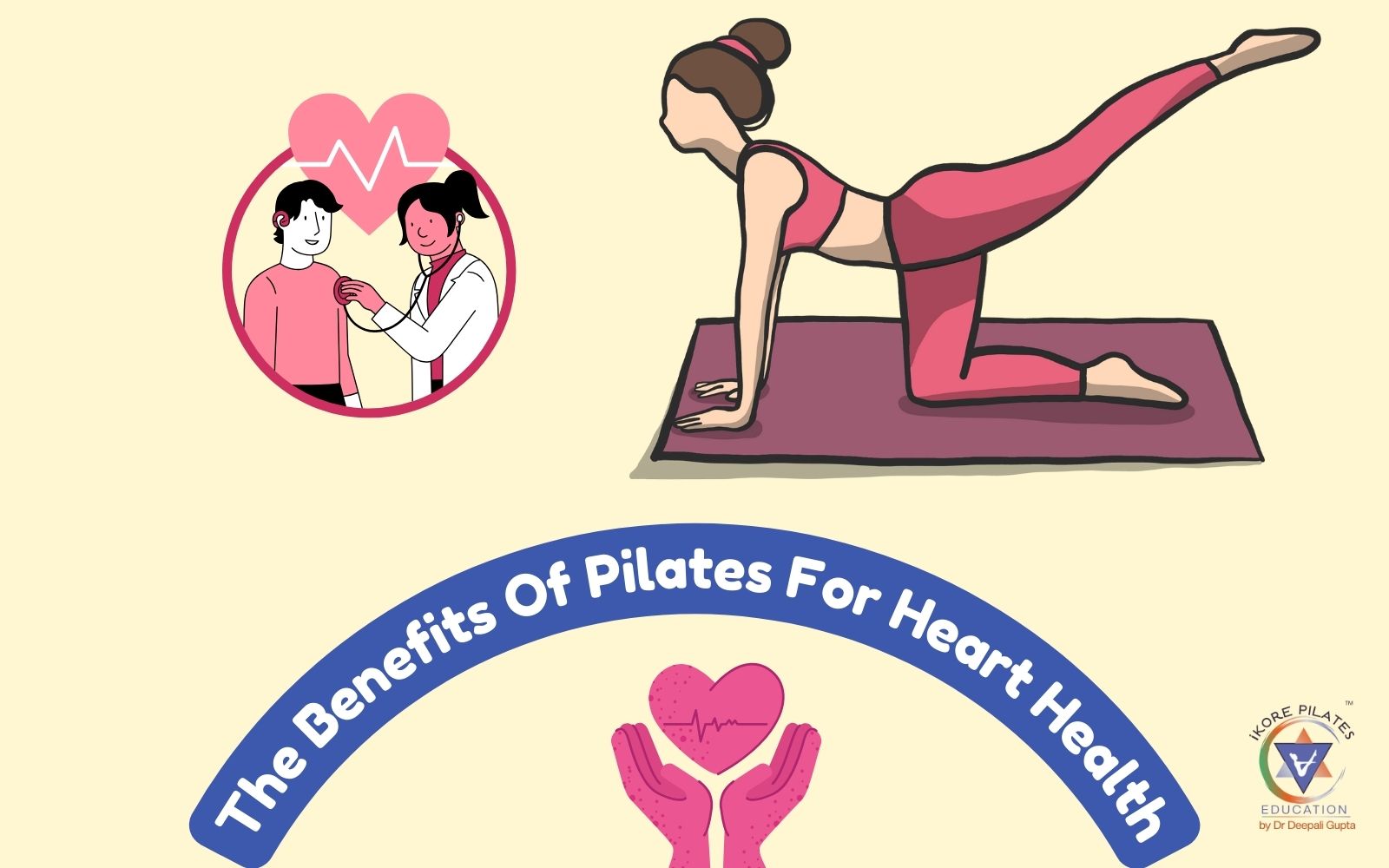
When we think about heart health, the usual suspects come to mind: running, cycling, or even swimming. However, an often-overlooked yet highly effective exercise for cardiovascular well-being is Pilates. Known for its focus on core strength, flexibility, and overall body balance, Pilates offers numerous benefits that can significantly enhance heart health.
When asking, “Is Pilates good for your heart?”, we must look beyond just heart rate. We need to look at circulation. Pilates effectively strengthens what doctors call the “second heart”—your calf muscles.
In our Pilates Reformer Classes, the footwork series emphasizes the extension and flexion of the feet against resistance. This movement acts as a powerful pump, assisting the veins in pushing deoxygenated blood back up to the heart against gravity. This improved venous return reduces the workload on your heart and lowers the risk of vascular issues, making heart Pilates a crucial practice for long-term health.
Let’s explore how Pilates can be a heart-friendly addition to your fitness routine.
Pilates, founded by Joseph Pilates, is a method that emphasizes the importance of core strength. Strong core muscles support the body in maintaining proper posture and balance, which in turn reduces the strain on the heart. Regular sessions at a Pilates studio or through an online Pilates class can lead to improved cardiovascular function. The controlled, deliberate movements involved in Pilates training encourage a steady heart rate, promoting endurance and stamina over time.
One of the key benefits of Pilates is its low-impact nature. Unlike high-intensity workouts that can put a strain on the joints and the heart, Pilates offers a gentler approach. This makes it an excellent option for people of all ages and fitness levels, including those with existing heart conditions. The best Pilates classes near me are often recommended by health professionals for their ability to provide a comprehensive workout without excessive stress on the cardiovascular system.
Incorporating Pilates equipment such as the Pilates Reformer Machine can add variety and intensity to your workout, further benefiting heart health. The reformer allows for a wide range of exercises that target different muscle groups, promoting overall strength and flexibility. Despite the potential Pilates machine cost, investing in equipment like the reformer can be worthwhile for those serious about their heart health. Many Pilates studios offer classes that utilize this equipment, making it accessible for those who prefer a structured environment.
A skilled Pilates instructor plays a crucial role in ensuring that you perform exercises correctly and safely. Whether you attend a class at a Pilates studio or participate in an online Pilates class, having a knowledgeable instructor can make all the difference. Instructors guide you through the exercises, making sure you engage the right muscles and maintain proper form, which is essential for maximizing cardiovascular benefits. Many instructors have undergone extensive Pilates Certification Courses, ensuring they are well-equipped to help you achieve your fitness goals.
Stress is a significant risk factor for heart disease. Pilates, with its emphasis on controlled breathing and mindful movement, can be incredibly effective in reducing stress levels. The practice encourages a focus on the present moment, which can help calm the mind and lower blood pressure. Regular participation in Pilates training, whether at a Pilates studio in Pune or through an online Pilates class, can lead to long-term stress management and improved heart health.
Is Pilates good for heart health beyond physical movement? Absolutely. The secret lies in the breath.
Pilates utilizes “Lateral Thoracic Breathing”—expanding the ribcage three-dimensionally. This specific breathing pattern stimulates the Vagus Nerve, which activates the body’s parasympathetic nervous system (rest and digest). By moving out of “fight or flight” mode, low cardio exercises like Pilates can help lower cortisol levels and reduce resting blood pressure.
To master this technique, you can learn more about the fundamentals in our Pilates for Beginners guide.
Flexibility and balance are often overlooked components of heart health. Pilates exercises, particularly those involving a Pilates mat, promote these attributes by encouraging a full range of motion and muscle engagement. Improved flexibility can lead to better circulation, while enhanced balance can prevent falls and injuries, which are crucial for maintaining an active lifestyle. Various types of Pilates, including mat and reformer classes, offer comprehensive workouts that benefit the heart and overall well-being.
Finding time to exercise can be challenging, especially with busy schedules. However, the beauty of Pilates is its adaptability. You can easily integrate Pilates exercises into your daily routine, whether you choose a quick session at home with minimal Pilates equipment or a more extended class at a local studio. The Pilates Studio environment can be particularly motivating, providing a dedicated space for focusing on your heart health.
While there may be concerns about Pilates machine price and the overall cost of Pilates courses, it’s important to view these expenses as an investment in your health. Many studios offer flexible membership options, and there are also plenty of affordable online Pilates classes available. Investing in your health today can lead to significant long-term savings by reducing the risk of heart disease and other related health issues.
At iKore Pilates, we are committed to helping you achieve your fitness and health goals. Our Pilates studio in Pune offers a variety of classes and training options tailored to meet the needs of individuals at all fitness levels. With state-of-the-art Pilates equipment and highly trained instructors, we provide a supportive and motivating environment for your Pilates journey. Whether you’re looking to improve your heart health, reduce belly fat, or simply enhance your overall well-being, iKore Pilates is here to support you every step of the way.
Join us today and discover the transformative power of Pilates for a healthier heart and a balanced life.
Take the first beat towards a healthier heart. Consult us Today!
Q. Does Pilates provide cardiovascular exercise?
While Pilates is primarily strength training, advanced flows can definitely provide a cardiovascular challenge. By minimizing rest time between exercises (known as “flow”), we keep the heart rate elevated in a moderate zone. If you are looking for a higher burn, check out our guide on the Best Pilates Workout for Weight Loss, which incorporates faster-paced movements.
Q. Can Pilates help lower blood pressure?
Yes. Studies suggest that the combination of deep breathing and isometric muscle contractions in Pilates can significantly lower systolic blood pressure over time. It reduces arterial stiffness, allowing the heart to pump blood more efficiently with less strain.
Q. Is Pilates safe for cardiac patients?
Generally, yes. Because it is a low-impact, non-jarring form of exercise, it is often recommended for rehabilitation. However, if you have a specific heart condition, it is vital to consult your doctor and work with a certified instructor who can modify the intensity.
Q. What are the benefits of Pilates for the heart?
The primary benefits include improved circulation (venous return), reduced stress hormones (cortisol), and better endurance. It strengthens the body without spiking the blood pressure as drastically as heavy weightlifting might.
If you have a passion for fitness and movement and dream of turning it into a fulfilling career, the Level 3 Diploma in Teaching Pilates
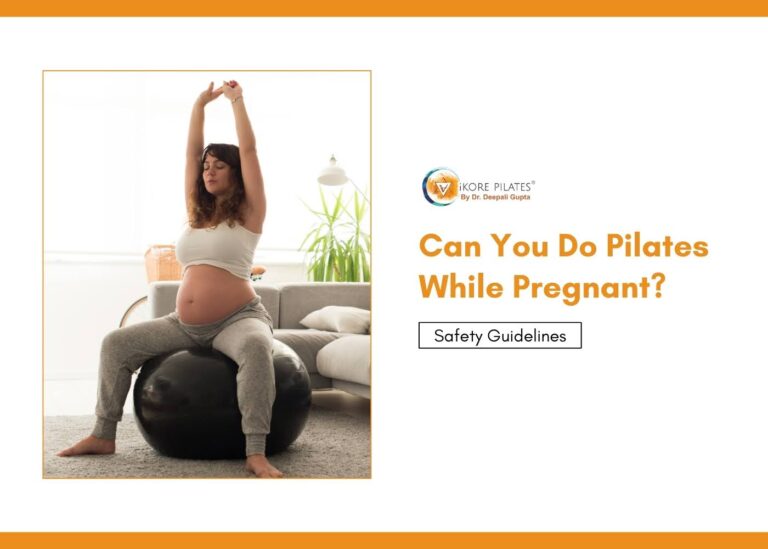
Pregnancy brings countless questions about what activities are safe for you and your growing baby. Among the most common concerns is whether Pilates can be