
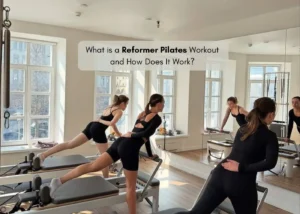
Walk into any upscale fitness studio these days, and you’ll likely spot them, those sleek, bed-like machines with springs, straps, and a sliding platform. The Pilates reformer has become something of a wellness world darling, and there’s good reason for the hype.
A pilates reformer workout takes traditional Pilates principles and adds mechanical resistance to the mix. Instead of working against gravity alone as you would on a mat, the reformer uses adjustable springs to challenge your muscles in ways that feel surprisingly different. The sliding carriage moves beneath you as you push, pull, and control each movement, creating a full-body experience that’s both supportive and seriously effective.
The reformer itself looks more intimidating than it actually is. Picture a long frame about six feet in length, with a padded platform (the carriage) that glides back and forth. Springs attach to both ends, Springs attach to one end, creating resistance that you can adjust across different levels. There’s a footbar you can push against, shoulder blocks that keep you in place, and adjustable straps for your hands or feet. Together, these elements let you perform hundreds of different pilates reformer exercises in positions you simply can’t do on a mat.
Why the Reformer Changes Everything
The magic of reformer work lies in that spring resistance. Unlike weight machines at the gym that force you into fixed patterns, the springs on a reformer respond to how you move. Pull harder, and they pull back harder. Move with control, and they support you through the motion. This constant feedback teaches your body to move with precision and stability.
Your core gets involved in absolutely everything. The unstable surface of the carriage means your deep abdominal muscles, lower back, and hip stabilizers fire up just to keep you steady. Add the resistance of the springs, and you’re building functional strength that translates directly to better posture and easier movement in daily life.
The reformer also lets you work through a fuller range of motion than mat-only exercises typically allow. You can stretch deeper, strengthen longer, and move in directions that gravity normally prevents. Someone recovering from an injury might start with lighter springs that assist rather than resist movement. An athlete training for performance can pile on heavier springs for serious strength work.
Inside a Reformer Session
Most reformer classes run about 45 minutes to an hour. You’ll typically start lying on your back with your feet on the footbar, pushing the carriage away in what’s called footwork. This warms up your legs and gets you familiar with how the machine responds.
From there, the variations multiply. You might place your feet in the straps and draw circles in the air, working hip mobility while your core keeps everything stable. Seated exercises using the arm springs build shoulder strength and upper body tone. Kneeling positions challenge balance. Standing work (yes, you can stand on the carriage) develops coordination and leg power.
The instructor watches your form closely, adjusting spring tension and offering cues throughout. “Lengthen your spine.” “Draw your navel to your spine.” “Keep your shoulders down and back.” These precise adjustments make the difference between just moving and moving well.
What Your Body Actually Gets From This
Strength Without Bulk
The reformer builds what fitness professionals call functional strength, muscle that serves a purpose beyond aesthetics. You’re not isolating single muscles like you would with dumbbells. Every exercise requires multiple muscle groups working together, creating balanced strength throughout your entire body. Your arms tone up from pulling the straps. Your legs develop definition from footwork and jumping. Your core becomes genuinely strong, not just tight.
Flexibility That Actually Lasts
Pilates reformer exercises combine stretching with strengthening in the same movement. You’re not just passively hanging in a stretch. You’re actively engaging muscles while lengthening them, which creates lasting changes in flexibility and joint mobility. The supportive nature of the reformer also lets you stretch more safely than you could on a mat alone, making it particularly valuable if you’re naturally tight or recovering from injury.
Real Solutions for Back Pain
The low-impact nature, combined with emphasis on proper alignment, makes reformer work therapeutic for chronic back issues. Sessions at studios offering comprehensive Pilates services often include rehabilitation-focused classes where certified instructors modify exercises specifically for people dealing with pain or limited mobility. The reformer supports your body while you strengthen the exact muscles that protect your spine.
Reformer vs. Mat: The Honest Comparison
| What You’re Comparing | Mat Pilates | Pilates Reformer Workout |
| Where You Practice | Floor with a yoga mat | Reformer machine |
| Resistance Source | Body weight only | Adjustable spring tension |
| Equipment Needed | Minimal (mat, maybe small props) | Full reformer machine |
| Movement Options | Limited by gravity | Hundreds of variations in multiple planes |
| Best For | Building foundations, home practice | Targeted strength, rehab, variety |
| Learning Curve | Steeper (less external feedback) | More accessible (machine guides alignment) |
| Cost | Low (can use online videos) | Higher (studio fees or machine purchase) |
Mat Pilates teaches you the fundamental movement patterns and principles. You learn to control your body against gravity with nothing but a padded surface beneath you. That challenge builds incredible body awareness and internal strength.
The reformer takes those same principles and amplifies them with mechanical support and resistance. Beginners often find the reformer more accessible because the machine provides feedback about alignment. You can feel when you’re in the right position. The springs support you through movements that might be too difficult on a mat, letting you build strength progressively.
Advanced practitioners appreciate how the reformer lets them work deeper. The resistance challenges muscles in ways that body weight alone can’t match. The variety prevents boredom. You can take the same exercise and change it completely just by adjusting the spring tension or shifting your body position.
Who Really Benefits From Reformer Work
The versatility makes reformer Pilates genuinely appropriate for almost everyone. Beginners get support while learning proper form. Athletes gain flexibility and injury prevention. Older adults build strength safely. People rehabilitating injuries or managing chronic conditions work with reduced impact while rebuilding function.
You don’t need to be flexible to start. You don’t need to be strong already. The adjustable resistance means the workout meets you exactly where you are and grows with you. Someone working on Pilates education and certification will master the same foundational exercises a complete beginner starts with; the difference lies in resistance, precision, and complexity.
The mental aspect matters too. The concentration required keeps you fully present. You can’t zone out on a reformer the way you might on a treadmill. Each movement demands attention, coordination, and breath control. That mind-body connection reduces stress while building physical capability.
Getting Started the Right Way
Find Quality Instruction
The machine looks straightforward until you try to use it. Without proper guidance, you’ll miss the entire point of each exercise. Studios with trained instructors provide the foundation you need. Group classes offer community and affordability. Private sessions give you personalized attention to address your specific goals or limitations.
Start With Realistic Expectations
Your first class might feel awkward. The coordination takes practice. Springs will make sounds you don’t expect. You might shake during exercises that look easy when the instructor demonstrates them. That’s completely normal. Most people start feeling more comfortable by their third or fourth session.
Listen to Your Body (Literally)
Pilates emphasizes control, not pain. You should feel muscles working, maybe even burning a bit, during challenging exercises. You shouldn’t feel sharp pain, joint discomfort, or like something’s wrong. The reformer lets you modify everything, so speak up if something doesn’t feel right.
Commit to Consistency
Two to three sessions weekly create noticeable changes within a month. Your posture improves. Movement feels easier. Clothes fit differently as muscles tone and lengthen. One random class won’t do much. Regular practice builds on itself.
The iKore Difference in Reformer Training
Studios matter when it comes to Pilates instruction. iKore Pilates brings together comprehensive reformer programming with instructor expertise that comes from years of specialized training. The Equipment Group Classes use reformers alongside other Pilates apparatus for dynamic full-body workouts suitable for all fitness levels. Equipment Private Sessions provide one-on-one attention for personalized rehabilitation or advanced training goals.
What sets professional reformer instruction apart is the attention to biomechanics and movement quality. Certified instructors trained in proper reformer methodology understand how to modify exercises for different bodies and different goals. They catch compensation patterns before they become habits. They progress you safely while keeping sessions challenging enough to create real change.
For those interested in teaching, reformer certification programs provide the comprehensive education needed to instruct safely and effectively. The Pilates Reformer 1 course introduces the Universal Reformer with emphasis on safe usage, beginning and intermediate exercises, and modifications for diverse clients.
Your Next Move
The pilates reformer workout offers something genuinely different in a fitness landscape full of trends that come and go. The principles haven’t changed since Joseph Pilates designed the original reformer nearly a century ago. The machine works because the human body responds to intelligent movement, progressive resistance, and proper alignment.
Whether you’re looking to build strength without joint stress, improve flexibility while getting stronger, rehabilitate an injury, or just try something new that challenges both body and mind, the reformer delivers. The sliding carriage, the springs, the straps, they’re not just equipment. They’re tools that teach your body to move with efficiency, control, and grace.
Start where you are. Find qualified instruction. Show up consistently. Let the reformer do what it does best: meeting your body exactly where it is today while building capability for tomorrow.
Frequently Asked Questions
Q1. What should you expect to feel after your first reformer class?
Ans. You’ll likely feel muscles you didn’t know existed, particularly in your core and inner thighs. Some light soreness is normal, especially if you’re new to Pilates. You might also feel taller and more aware of your posture. The trembling during class goes away as you build strength and familiarity with the equipment.
Q2. How is a pilates reformer workout different from using gym weight machines?
Ans. Weight machines typically isolate single muscle groups and move in fixed patterns. The pilates reformer engages your entire body simultaneously, especially your core, while allowing movement in multiple directions. The spring resistance also provides both pushing and pulling feedback, creating more functional strength that translates to everyday activities.
Q3. Can you get a good workout if you’re already very fit?
Ans. Absolutely. Advanced reformer work challenges even elite athletes in ways traditional strength training doesn’t. The focus on control, precision, and smaller stabilizing muscles creates a different kind of difficulty. Instructors can increase resistance, add complex movement patterns, or incorporate balance challenges to make exercises significantly harder.
Q4. What’s the difference between group reformer classes and private sessions?
Ans. Group classes typically have 6-12 people working through the same general sequence, with instructors offering modifications and watching form. Private sessions provide completely personalized programming based on your specific goals, limitations, or rehabilitation needs. The one-on-one attention allows for deeper corrections and faster progression.
Q5. Is reformer Pilates effective for weight loss and body composition?
Ans. While reformer work builds lean muscle and improves body composition, it functions best as part of a comprehensive fitness approach. The strength and toning benefits are significant, but the low-impact nature means you’ll burn fewer calories than high-intensity cardio. Many people combine reformer sessions with walking, cycling, or other cardio activities for overall fitness and weight management.