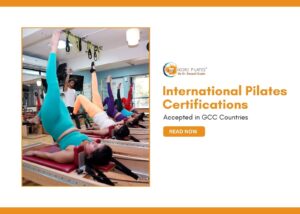
Planning to teach Pilates in Dubai, Abu Dhabi, Riyadh, or other Gulf countries? Getting the right certification can make or break your career prospects in the region. The GCC fitness market is booming, but not all Pilates credentials carry the same weight with employers and regulatory bodies.
Understanding which certifications are recognized in Gulf Cooperation Council countries helps you invest your time and money wisely. Whether you’re an aspiring instructor or a certified teacher looking to relocate, knowing the regional requirements saves you from costly mistakes.
Why Certification Standards Matter in the GCC
The Gulf region takes fitness professional standards seriously. Many UAE emirates have issued mandates requiring fitness instructors to hold recognized certifications before working in health clubs and studios. Saudi Arabia and other GCC countries are following similar paths to professionalize the industry.
Your certification determines:
- Eligibility for work permits and employment
- Salary expectations and career advancement
- Credibility with clients and employers
- Access to continuing education opportunities
International recognition isn’t just a nice-to-have feature. REPs UAE (Register of Exercise Professionals), the primary regulatory body for fitness professionals in the United Arab Emirates, collaborates with government entities and has made registration highly encouraged. While membership is not legally mandatory, most employers prefer or require fitness professionals to be REPs registered before employment.
Globally Recognized Pilates Certification Bodies
Several international organizations set the gold standard for Pilates education. The most widely accepted certification body is the Pilates Method Alliance (PMA), a professional association that maintains certification standards globally.
The PMA offers the NCPT (Nationally Certified Pilates Teacher) credential through the National Pilates Certification Program (NPCP). Achieving accreditation by the NCCA (National Commission on Certifying Agencies) in 2012, the NPCP became the only nationally accredited certification program for Pilates. Certified teachers must complete comprehensive training of 450 hours or more, covering lecture, self-study, observation, and assistant teaching.
REPs UAE has international portability through ICREPS, EREPS (Europe Active), CIMSPA UK, and organizations in the US and Canada. Certifications from PMA-recognized programs carry weight across these networks, making them valuable for instructors planning international careers.
Accepted Certification Programs in the Gulf
The benchmark standard for working as a certified instructor in the region is a REPs UAE-recognized Level 3 qualification. Several internationally recognized training programs operate in GCC countries:
STOTT PILATES
The world’s most recognized contemporary Pilates method, STOTT PILATES certifications are offered through training centers in Dubai and accepted across the Gulf region.
Balanced Body
Recognized in over 70 countries worldwide, Balanced Body certification meets international standards and qualifies graduates to sit for the PMA-NCPT exam. Programs are available through accredited providers in the UAE.
APPI (Australian Physiotherapy & Pilates Institute)
APPI offers courses across the UAE and the Gulf Region, combining physiotherapy principles with Pilates methodology.
BASI Pilates
BASI Pilates offers comprehensive training programs in multiple GCC locations, including Riyadh, Saudi Arabia.
Peak Pilates
Peak Pilates comprehensive certifications are available through accredited training providers in the UAE and meet REPs UAE standards.
Polestar Pilates
Polestar Pilates offers training in Dubai, Abu Dhabi, Jeddah, Riyadh, Tbilisi, Doha, and Kuwait, with courses lasting approximately three months.
iKore Pilates
Founded by Dr. Deepali Gupta, Asia’s Pilates Ambassador (2023 & 2024) and Balanced Body Master Educator, iKore Pilates offers internationally recognized Pilates teacher training programs. With ISO 9001:2015 certification and recognition through Balanced Body Education, iKore Pilates certifications meet global standards and prepare instructors for career opportunities across GCC countries and worldwide. The comprehensive training programs cover movement principles, Mat Pilates, and Reformer certifications that align with international requirements.
Training Requirements for GCC Markets
Most accepted programs in the Gulf region require Level 3 Mat and Reformer Pilates courses, fully accredited by Active IQ and recognized by REPs UAE. No prior experience is typically required, though programs vary in format.
Common training structures include:
- Online learning combined with practical workshop days
- In-person intensive courses (4-5 days for foundational certifications)
- Hybrid models with self-paced study and hands-on sessions
- Comprehensive programs spanning 3-6 months
Courses offered by internationally recognized institutions provide flexible scheduling to accommodate working professionals, combining in-person instruction with flexible online components to ensure comprehensive preparation for GCC market requirements.
Career Opportunities and Demand
Certified Pilates instructors are in high demand across the UAE as the rising trend of Pilates continues. The GCC fitness market is experiencing rapid growth, driven by wellness-focused government initiatives and increasing health consciousness among residents.
Career paths include:
- Studio-based group classes and private sessions
- Corporate wellness programs
- Rehabilitation centers and physiotherapy clinics
- Luxury hotels and resort fitness facilities
- Freelance instruction and home visits
Instructors with internationally recognized certifications command higher rates and have more employment options. Specialized training in areas like rehabilitation pilates, prenatal instruction, or equipment-based methods increases marketability.
How to Choose the Right Certification
Selecting a certification program requires research beyond just regional acceptance. Consider these factors:
Accreditation Status
Verify the program is recognized by REPs UAE, PMA, or equivalent bodies in your target country. Check whether graduates can sit for the NCPT exam.
Training Hours
Comprehensive programs typically require 450+ hours. Shorter courses may not meet regulatory standards or employer expectations in the Gulf.
Equipment Training
Mat-only certifications have limited scope. Look for programs covering Reformer, Cadillac, Chair, and Barrel to maximize career opportunities.
Practical Experience
Hands-on teaching practice and observation hours are essential. Online-only programs may not provide adequate preparation.
Cost and Location
Training in GCC countries (Dubai, Riyadh, etc.) can be expensive but offers networking opportunities and local market familiarity. International programs from recognized institutions provide quality education at competitive prices with globally accepted credentials.
Continuing Education
Choose organizations offering ongoing professional development, workshops, and advanced certifications.
Getting Started with Your Certification Journey
Once you’ve selected a certification program, the path to teaching in the GCC typically follows these steps:
- Complete your chosen Pilates teacher training program (450+ hours recommended)
- Pass any required examinations (such as the NCPT)
- Register with REPs UAE or equivalent body in your target country
- Obtain necessary work permits and visas
- Apply for positions at studios, gyms, or wellness centers
Many instructors begin their careers with foundational Mat Pilates certification, then add Reformer and other equipment specializations. Building experience through apprenticeships, assisting senior instructors, and teaching practice hours strengthens your skills before entering the competitive Gulf market.
iKore Pilates offers comprehensive teacher training programs led by Dr. Deepali Gupta, Asia’s Pilates Ambassador 2023 & 2024 and Balanced Body Master Educator. Our certifications meet international standards and prepare you for global career opportunities, including positions in GCC countries.
FAQ
What is the minimum certification required to teach Pilates in Dubai?
A REPs UAE-recognized Level 3 qualification is the benchmark standard for working as a certified instructor in the UAE. Most employers require comprehensive Pilates training of at least 450 hours covering mat and reformer instruction.
Is PMA certification required to work in Saudi Arabia?
While PMA certification is not legally required, employers in Saudi Arabia and other GCC countries strongly prefer instructors with internationally recognized credentials like the NCPT or certifications from PMA-approved programs. Having PMA recognition significantly improves employment prospects.
Can I teach Pilates in the Gulf with only an online certification?
Online certifications alone may not be sufficient. Most accepted programs require practical, hands-on training components. REPs UAE and employers typically require proof of in-person instruction hours, observation, and teaching practice as part of your comprehensive training.
How long does it take to become certified for teaching in GCC countries?
Comprehensive Pilates teacher training typically takes 3-6 months, depending on the program format. After completing training, you’ll need time to register with REPs UAE, obtain work permits, and complete any additional requirements specific to your employment situation.
Do GCC countries accept Pilates certifications from India?
Yes, certifications from recognized international programs are accepted regardless of training location, provided they meet PMA standards and REPs UAE requirements. iKore Pilates certifications, offered through Balanced Body Education partnership and led by Asia’s Pilates Ambassador, are internationally recognized and accepted across GCC countries. Quality matters more than geography when it comes to certification acceptance in the Gulf region.
One Response