
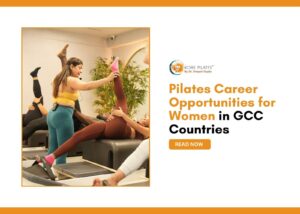
Women across the GCC are witnessing an unprecedented transformation in career opportunities, particularly in the health and wellness sector. With sweeping reforms and ambitious national visions reshaping traditional employment landscapes, Pilates instruction has emerged as one of the most promising career paths for women seeking professional fulfillment and financial independence.
The wellness industry in the Gulf region is experiencing remarkable growth. According to the Global Wellness Institute, the global wellness economy reached $6.8 trillion in 2024, growing by 7.9% from the previous year. Within the GCC, the UAE alone saw its health and wellness market reach USD 19.03 billion in 2024, with projections climbing to USD 28.01 billion by 2033.
Why Pilates Careers Are Thriving in the GCC
A Growing Market with Untapped Potential
Pilates studios are multiplying across Dubai, Abu Dhabi, Riyadh, Jeddah, and Doha at an impressive rate. Reformer Pilates, in particular, has captured the imagination of health-conscious residents seeking low-impact, high-efficacy workouts. Saudi Arabia currently has a fitness penetration rate of just 5.9%, signaling enormous room for expansion.
Premium boutique fitness studios are becoming fixtures in upscale neighborhoods. Certified instructors are in high demand throughout the UAE and Saudi Arabia, with qualified professionals commanding competitive compensation packages.
Vision 2030 Opens Doors for Women
Saudi Arabia’s Vision 2030 initiative has been a catalyst for female workforce participation. Women now account for approximately 34.5% of the Saudi workforce, with government targets aiming for 40% participation by 2030. Legal reforms have granted women equal employment rights, including equal pay, maternity leave, and workplace protections.
Across the broader GCC region, female workforce participation has surged. The UAE’s female workforce share reached 58% by 2019, making it the top GCC performer on gender indicators. Women are no longer confined to traditional sectors. Health, wellness, and fitness have become thriving industries where female professionals excel.
Understanding Pilates Career Paths in the GCC
Salary Expectations and Compensation
Pilates instructors in the Gulf region enjoy competitive salaries that reflect the premium nature of wellness services. In Dubai, instructors typically earn between AED 6,000 to AED 10,000 monthly, while Saudi Arabia offers $2,500 to $4,000 monthly for Pilates roles. Certified professionals with specialized training in rehabilitation or prenatal Pilates often command higher rates, with private sessions and workshops providing additional income streams.
Certification Requirements and Training Paths
To work professionally as a Pilates instructor in the GCC, you need recognized certification from accredited bodies. REPs UAE (Register of Exercise Professionals) is the primary regulatory body in the United Arab Emirates, while Saudi Arabia is developing its own standards aligned with international best practices.
Popular certification pathways include:
- Mat Pilates Certification: Foundation-level training covering classical mat exercises, anatomy, and teaching methodology
- Reformer Pilates Training: Advanced certification focusing on equipment-based instruction
- Comprehensive Teacher Training: Intensive programs combining mat work, reformer, and auxiliary equipment like Cadillac and Wunda Chair
Several training providers now offer REPs UAE-accredited courses with flexible learning formats that combine online theory with practical workshop days. iKore Pilates provides pioneering Pilates Teacher Training and certification programs that bridge healthcare and fitness through movement-based rehabilitation, with both in-person training in Pune and flexible online options for aspiring educators worldwide.
Where Women Are Working in Pilates
Career opportunities span multiple settings:
Women-Only Studios: Saudi Arabia has seen explosive growth in female-exclusive fitness facilities. Studios like Flex Fitness, Nuyu, and KARVE Jeddah cater specifically to women seeking privacy and comfort during workouts.
Premium Boutique Studios: High-end wellness centers across Dubai, Abu Dhabi, and Riyadh hire certified instructors to lead group classes and private sessions.
Hotel and Resort Spas: Luxury hospitality venues employ Pilates professionals to offer wellness programming for guests.
Rehabilitation Centers: Clinical Pilates instructors work alongside physiotherapists to support injury recovery and chronic pain management.
Private Instruction: Many certified professionals build independent practices, offering personalized training in clients’ homes or private studios.
How to Build Your Pilates Career in the GCC
Step 1: Get Certified
Begin with a foundational Mat Pilates certification from a recognized provider. Look for programs accredited by international bodies like Pilates Method Alliance (PMA) or national regulators like REPs UAE. iKore Pilates offers comprehensive teacher training that emphasizes the holistic journey of Pilates beyond exercise, empowering educators to redefine excellence.
Step 2: Gain Practical Experience
Complete your required teaching hours through observation, practice teaching, and apprenticeships. Many studios offer mentorship programs for newly certified instructors.
Step 3: Specialize Your Skills
Consider advanced certifications in areas like:
- Prenatal and postnatal Pilates
- Rehabilitation and clinical Pilates
- Senior fitness programming
- Athletic performance enhancement
Specialized training increases your marketability and allows you to serve niche clientele at premium rates.
Step 4: Understand Local Requirements
Research visa and work permit requirements for your target country. The UAE offers various employment visa categories for fitness professionals. Saudi Arabia has streamlined processes for qualified instructors, especially women working in female-only facilities.
Step 5: Network and Build Your Reputation
Join professional organizations, attend wellness conferences, and connect with other instructors in your region. Social media presence has become essential for building a client base and demonstrating expertise.
Challenges and Considerations
While opportunities abound, aspiring instructors should prepare for certain realities. Competition in major cities like Dubai can be intense, with studios seeking both technical excellence and engaging teaching styles. Cultural considerations remain important in Saudi Arabia, where women-only environments may be required.
Language skills matter. While English is widely spoken, Arabic abilities can differentiate you and help serve local populations. Certification costs range from $2,000 to $6,000, not including travel and accommodation for in-person workshops.
The Future of Pilates Careers for Women in the GCC
Industry projections paint an optimistic picture. Wellness tourism is growing, government health initiatives are promoting physical activity, and cultural shifts are normalizing women’s participation in fitness. Young Saudi women are launching their own businesses, supported by government entrepreneurship programs. As the GCC diversifies beyond oil-dependent economies, health and wellness sectors will play increasingly central roles in national development.
FAQs
Can I work as a Pilates instructor in the GCC without prior fitness experience?
Most certification programs require basic fitness knowledge, but you don’t need previous teaching experience. Strong programs like iKore Pilates teacher training guide you from foundational principles through advanced instruction techniques.
Are there opportunities for career advancement?
Absolutely. Experienced instructors can become studio managers, teacher trainers, or wellness directors. Many successful professionals build personal brands and open their own studios.
What’s the demand like for Pilates instructors in smaller GCC cities?
While Dubai and Riyadh offer the most opportunities, cities like Jeddah, Doha, Kuwait City, and Al Khobar are experiencing growing demand as wellness culture expands beyond major metropolitan areas.
One Response