Steps to Become a Certified Pilates Instructor in India
To become a Pilates instructor in India, follow these actionable steps and embark on your journey to certification and career success.
Understanding Pilates – The Core Principles
Before you embark on your journey to become a Pilates instructor, it’s essential to understand the core principles of Pilates. Pilates, developed by Joseph Pilates, focuses on building strength, flexibility, and endurance, while promoting a strong mind-body connection. This approach to fitness emphasizes controlled movements, breathing techniques, and overall body alignment.
Understanding these principles deeply will enable you to teach Pilates with confidence and impart the correct techniques to your future students.
Choosing the Right Pilates Teacher Training Program in India
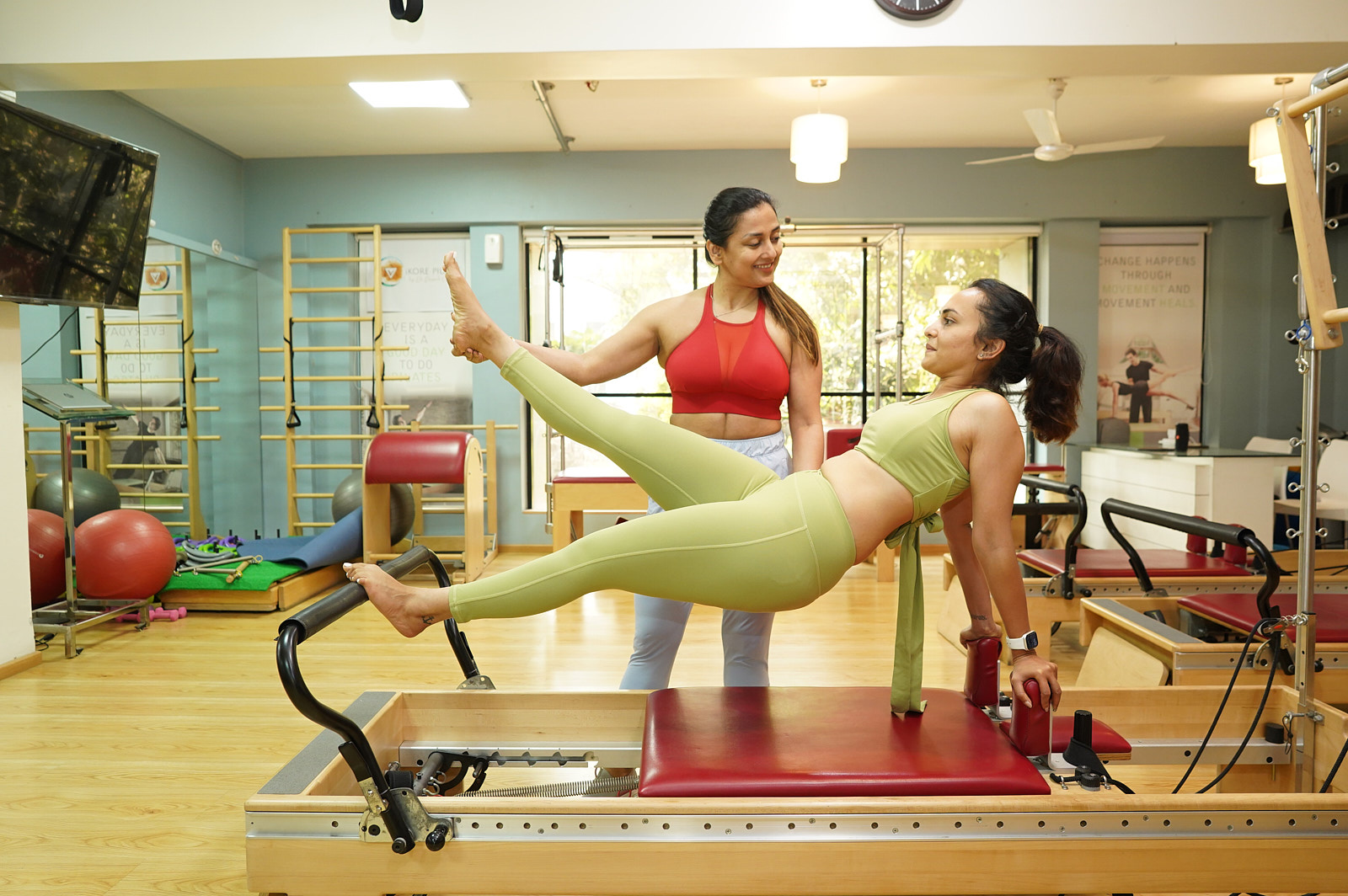
One of the most crucial steps in your journey is selecting the right Pilates teacher training program. There are various options available in India, but it’s important to choose an accredited program that provides a comprehensive curriculum in both mat Pilates and Pilates equipment (like the reformer).
Look for programs that offer mentorship, hands-on teaching experience, and a well-rounded education that includes anatomy, movement principles, and modifications for different fitness levels.
A renowned option in India is iKore Pilates, which offers high-quality Pilates training with both mat and equipment courses, including certification for Pilates reformer machines. With experienced instructors and a supportive learning environment, iKore Pilates can provide you with the knowledge and skills needed to become an effective instructor.
Gaining Practical Experience and Building Teaching Skills
Once you’ve completed your Pilates course, the next step is to gain practical experience. Look for opportunities to teach Pilates classes at local fitness studios, community centers, or even volunteer. Teaching practice is key to honing your skills, gaining confidence, and building relationships within the fitness community.
Building a network with other fitness professionals can also help you expand your career prospects in the Pilates world.
Gaining Pilates Certification
After gaining practical experience and completing your training program, the next step is to pursue certification from a recognized Pilates organization. Certification is important because it not only adds credibility to your teaching but also assures students that you have the necessary skills and knowledge to teach Pilates safely and effectively.
In India, you can earn your certification through reputable bodies like iKore Pilates or other internationally recognized organizations.
Setting Up Your Pilates Business or Teaching Career
If you are considering teaching Pilates independently, you may want to open your own Pilates studio or offer private sessions. Setting up a studio involves a few key steps, such as finding a suitable location, acquiring necessary equipment, and creating a welcoming space for clients.
Alternatively, you can also look for employment at established fitness centers or wellness studios, where many instructors teach group classes or offer personal training sessions.
Marketing Yourself as a Pilates Instructor
Effective marketing is crucial for attracting clients and growing your Pilates business. Leverage social media platforms like Instagram and Facebook to showcase your expertise, share success stories, and engage with potential clients.
You can also collaborate with other wellness professionals, such as nutritionists or yoga instructors, to cross-promote services and expand your reach within the wellness community.
Continuing Education and Career Growth in Pilates
The Pilates industry is constantly evolving, and it’s important to stay updated on the latest trends and techniques. Participating in workshops, seminars, and advanced courses will help you stay on top of your game and continue growing as an instructor.
Continuous education is also essential for advancing your career, whether it’s through advanced certifications or specialization in particular Pilates methods (e.g., Reformer Pilates or Pilates for rehabilitation).
Conclusion – Start Your Pilates Instructor Journey Today
Becoming a certified Pilates instructor in India is an exciting and rewarding journey. With dedication and the right training, you can build a successful career that not only enhances your life but also helps others improve their health and well-being.
Ready to start your journey? iKore Pilates offers top-rated Pilates certification programs in India, led by experienced instructors like Dr. Deepali Gupta, Asia’s Pilates Ambassador. Their comprehensive courses will provide you with the knowledge and skills you need to excel in the Pilates industry.
Frequently Asked Questions
Q1. How much do Pilates instructors make in India?
Ans. Pilates instructor earnings vary depending on experience, location, and whether you work independently or at a studio. Entry-level instructors can earn approximately ₹15,000-₹30,000 monthly, while experienced instructors can earn significantly more with private clients and specialized certifications.
Q2. What is the best Pilates instructor course in India?
Ans. iKore Pilates offers one of the best Pilates instructor courses in India, with internationally recognized certifications in mat Pilates and Pilates reformer training.
Q3. How long does it take to become a Pilates instructor in India?
Ans. Certification timelines depend on the course and certification level you choose, ranging from basic mat Pilates to comprehensive certification programs.
Q4. What qualifications do you need to teach Pilates?
Ans. To teach Pilates, you need certification from a recognized training program that covers anatomy, teaching techniques, and both mat and equipment methods.
Q5. How do I start my own Pilates studio in India?
Ans. Starting your Pilates studio involves obtaining certification, choosing a location, buying equipment, and promoting your services. You can also offer private Pilates sessions or look for employment at established fitness centers.
Q6. What are the benefits of Pilates certification in India?
Ans. Pilates certification provides credibility, ensures safe teaching practices, and helps you attract more clients by proving your skills and knowledge in the field.