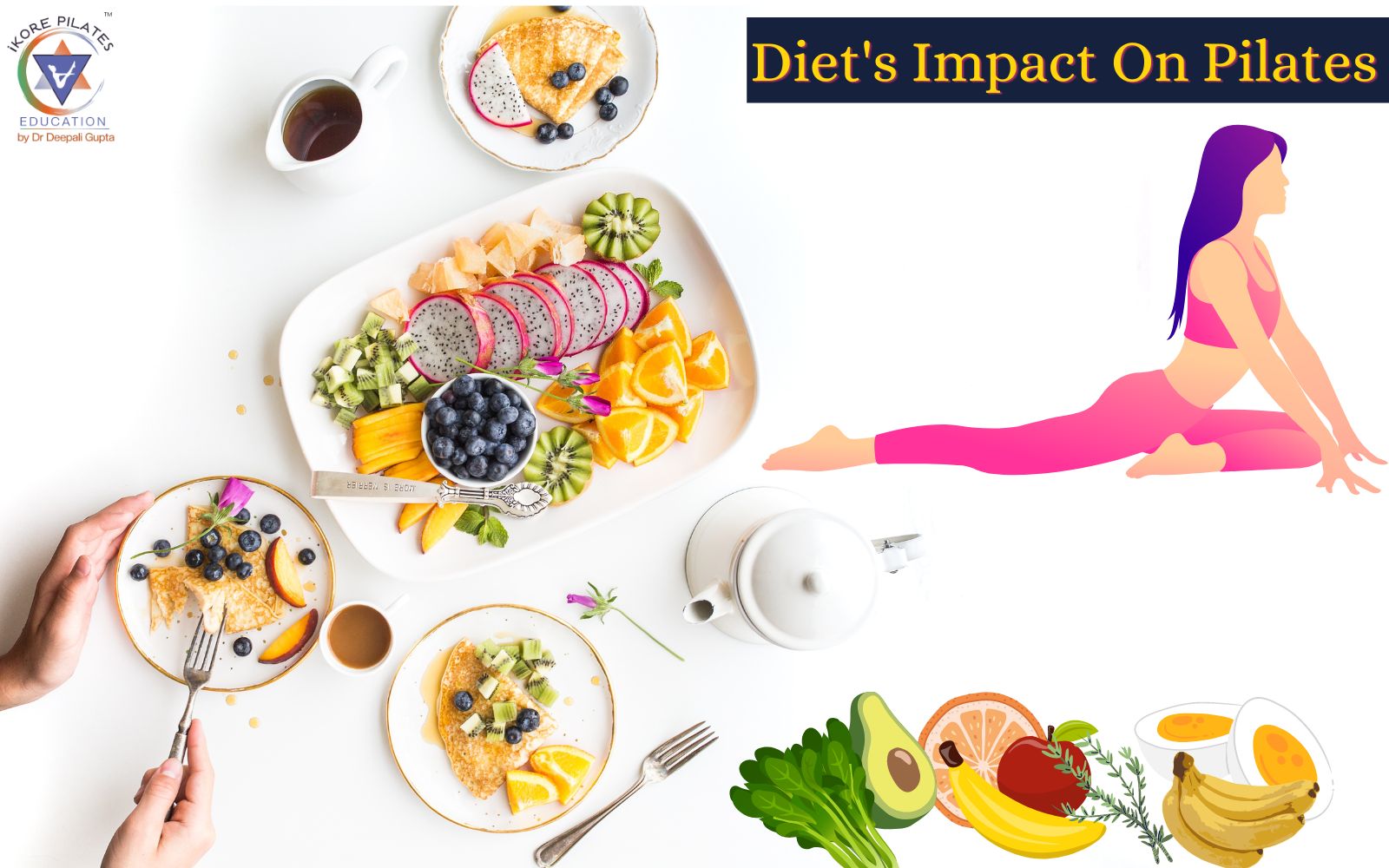
Pilates is more than just a workout; it’s a holistic approach to health and well-being. Developed by Joseph Pilates, this exercise method focuses on improving core strength, flexibility, and balance. To maximize the benefits of your Pilates practice, it’s essential to fuel your body with the right nutrients. A well-balanced diet can enhance your Pilates performance, aid recovery, and support overall health. Let’s explore how diet and Pilates complement each other and how you can make dietary choices to enhance your practice.
The “Pilates Body Diet”: Timing Your Nutrition
To truly unlock the potential of a Pilates diet, timing is just as important as what is on your plate. Pilates requires significant core engagement, which can be uncomfortable with a full stomach, yet impossible to perform well if you are running on empty.
- Pre-Workout (30-60 mins before): Focus on easily digestible carbohydrates. Think of this as immediate fuel. A banana, a handful of berries, or a piece of toast gives you the energy to sustain focus without causing bloating or heaviness.
- Hydration: Unlike high-intensity cardio, you might not sweat buckets in Pilates, but your muscles need water to contract and lengthen. Dehydration leads to cramping, especially in the toes and calves during footwork.
The Importance of Nutrition in Pilates
Proper nutrition is vital for anyone engaging in regular physical activity, including Pilates. The right diet provides the energy needed for your workouts and helps repair and build muscles after exercising. Whether you’re attending a Pilates studio or taking an online Pilates class, what you eat before and after your sessions can significantly impact your performance and results.
Energy for Your Workouts
Pilates requires energy, particularly from carbohydrates. Carbohydrates are the body’s primary energy source, and consuming them before a Pilates session can help you maintain stamina and perform exercises with precision. Whole grains, fruits, and vegetables are excellent sources of complex carbohydrates that provide sustained energy.
Protein for Muscle Repair
After a Pilates workout, your muscles need protein to repair and grow. Incorporating lean protein sources such as chicken, fish, tofu, and legumes into your diet can help your muscles recover and strengthen. This is crucial whether you’re using Pilates equipment like the reformer machine or doing mat exercises at home.
Hydration
Staying hydrated is essential for any physical activity, including Pilates. Dehydration can lead to muscle cramps and fatigue, hindering your performance. Drinking plenty of water throughout the day and especially before, during, and after your Pilates classes can help you stay energized and focused.
Foods to Enhance Your Pilates Practice
Certain foods can boost your Pilates practice by providing the nutrients your body needs. Here’s a look at some dietary choices that can help you get the most out of your Pilates routine.
Pre-Workout Snacks
A small, balanced snack before your Pilates session can provide the energy you need. Consider options like:
- A banana with almond butter
- Greek yogurt with berries
- A smoothie made with spinach, protein powder, and a bit of fruit
Post-Workout Meals
After your Pilates workout, it’s important to refuel with a meal that includes both protein and carbohydrates. Some great post-workout meal ideas include:
- Grilled chicken with quinoa and steamed vegetables
- A salmon salad with mixed greens, avocado, and a vinaigrette
- A protein shake with a handful of nuts and an apple
Consistent Healthy Eating
Maintaining a balanced diet throughout the day can support your overall Pilates practice. Focus on whole foods, such as:
- Lean proteins (chicken, fish, tofu)
- Whole grains (brown rice, quinoa, oats)
- Healthy fats (avocado, nuts, olive oil)
- Plenty of fruits and vegetables
Specific Dietary Tips for Different Pilates Goals
Depending on your specific Pilates goals, your dietary needs might vary slightly. Here are some tips tailored to common Pilates objectives:
Pilates for Weight Loss
If you’re using Pilates for belly fat reduction or overall weight loss, focusing on a diet that’s high in fiber and low in processed sugars can be beneficial. Incorporate plenty of vegetables, lean proteins, and whole grains, while avoiding sugary snacks and drinks.
Pilates for Strength and Muscle Tone
For those looking to build strength and muscle tone, ensure your diet includes enough protein to support muscle growth. Consider incorporating protein-rich snacks and meals throughout the day, especially after your Pilates training sessions.
Pilates for Kids
Pilates for kids is becoming increasingly popular, and a healthy diet is crucial for young practitioners. Ensure children have a balanced diet rich in fruits, vegetables, whole grains, and lean proteins to support their growth and energy needs.
How a Pilates Studio Can Help
Many Pilates studios offer more than just classes; they provide a holistic approach to fitness and wellness. For example, the best Pilates studios in Pune or any other location might offer nutrition workshops or personalized dietary advice to complement your Pilates practice.
The Role of a Pilates Instructor
A knowledgeable Pilates instructor can guide you not only through exercises but also offer advice on how to fuel your body properly. Instructors who have completed a Pilates certification course often have training in nutrition and can provide valuable insights into how diet impacts your practice.
Online Pilates Classes
With the rise of online Pilates classes, you can access Pilates training and dietary advice from the comfort of your home. Many online platforms offer resources and support to help you integrate healthy eating into your fitness routine.
Protein and Pilates: Do You Really Need It?
A common myth is that you only need high protein if you are lifting heavy weights. This is false. Protein and Pilates go hand-in-hand if your goal is the “long, lean” look.
Pilates works by creating micro-tears in the muscle fibers (specifically during the eccentric/lengthening phase). To repair these fibers and make them stronger (toning), your body requires amino acids found in protein. Without adequate protein, you may build strength, but you will struggle to see muscle definition.
What to eat after Pilates? Within 45 minutes of finishing your session, aim for a mix of protein and healthy fats.
- Examples: Greek yogurt with nuts, a smoothie with protein powder, or grilled chicken with avocado.
By combining a balanced diet and Pilates studio routine, you ensure that the work you do on the mat is visible in the mirror.
If you are trying to slim down while toning up, read our guide on Best Pilates Workout for Weight Loss to see how to pair your nutrition with the right movements.
Conclusion: iKore Pilates
At iKore Pilates Studio, we understand the importance of a holistic approach to health. Our certified Pilates instructors class, Which are dedicated to helping you achieve your fitness goals through personalized training and nutritional guidance. Whether you’re looking to join Pilates classes in Pune, invest in Pilates equipment, or explore the benefits of Pilates for kids, iKore offers a comprehensive range of services to support your journey, including diet consultation near me.
Our online Pilates classes make it easy to stay committed to your practice, no matter how busy your schedule. Join us at iKore and experience the power of Pilates combined with the right diet for optimal health and well-being.
Ready to combine nutrition with world-class instruction? Contact
Frequently Asked Questions
Q. What diet is best when doing Pilates?
The best Pilates food plan is one that is anti-inflammatory and rich in whole foods. Focus on lean proteins, complex carbohydrates for sustained energy, and foods high in magnesium (like leafy greens) to prevent muscle cramps. Avoid heavy, greasy foods immediately before class as they can hinder core engagement.
Q. What is the best diet for a toning body?
To achieve a “toning body,” you need a caloric balance that supports muscle repair without excess fat storage. Prioritize protein intake (to build the muscle) and fiber-rich vegetables (to keep you full). Can you get toned just by diet? No. Diet creates weight loss, but exercise (like Pilates) creates the “tone” or muscle shape. You need both.
Q. Do you need protein if you do Pilates?
Yes. Even though Pilates is low-impact, it is a strength-training modality. Your muscles need protein to recover and remodel after the resistance work. Neglecting protein can lead to fatigue and stalled progress.
Q. Is it okay to do Pilates on an empty stomach?
It depends on the individual. Some people prefer doing Mat Pilates fasted in the morning to burn stored fat. However, if you feel dizzy or weak during the session, you should have a small snack (like an apple) beforehand to maintain blood sugar levels.